The Ultimate Saga: Exploring the Spider-Man Comic Universe 🕷️
From the humble beginnings in Amazing Fantasy #15 to the mind-bending cosmic adventures across the Spider-Verse, the Spider-Man comic legacy is a rich tapestry of heroism, tragedy, and iconic storytelling. This definitive guide unpacks decades of web-slinging lore, exclusive character insights, and the evolution of Marvel's most relatable superhero.
🔥 Exclusive Insight: Did you know? Early drafts of Spider-Man's costume were starkly different, with one concept featuring a full-face mask with insect-like goggles. The final design by Steve Ditko revolutionized superhero aesthetics with its expressive eyes and sleek web pattern.
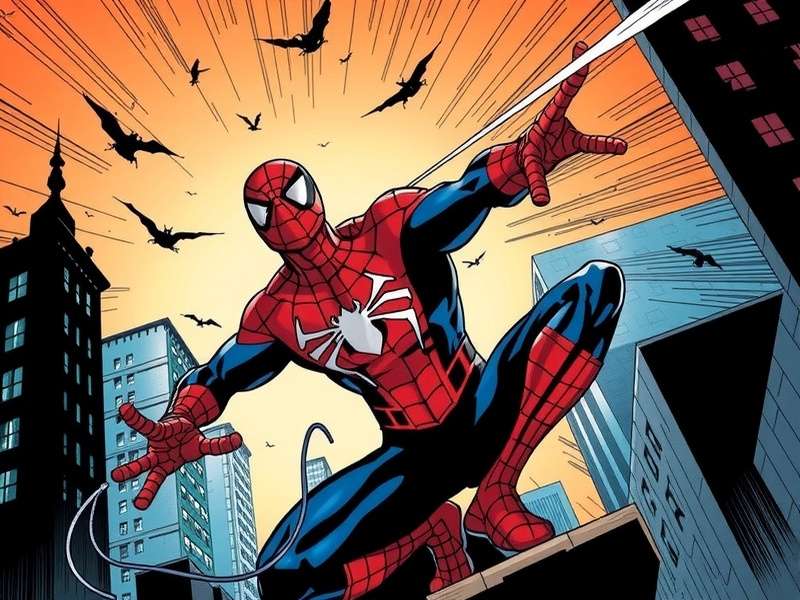
The visual evolution of Spider-Man comics reflects changing artistic styles and storytelling tones over six decades.
The Phenomenon: Why Spider-Man Comics Resonate Globally 🌍
Spider-Man isn't just a comic book character; he's a cultural cornerstone. Unlike distant gods or billionaires, Peter Parker's struggles with rent, academic pressure, and personal loss made him the "Everyman Hero." This relatability, combined with thrilling action and complex villains, created a unique formula that has sold over 380 million comic copies worldwide, making it one of the best-selling series in history.
In India, Spider-Man's popularity surged with localized comic dubs and animated series, creating a dedicated fanbase that debates the nuances of story arcs like the iconic "Brand New Day" reboot. The character's mantra—"With great power comes great responsibility"—transcends language and culture, embedding itself into the moral fabric of readers across generations.
Decoding the Timeline: Key Eras in Spider-Man Comic History 📜
The Silver Age Genesis (1962-1970)
Stan Lee and Steve Ditko's creation was a deliberate subversion of teen hero tropes. Peter Parker was a brilliant but socially awkward science whiz, whose life was perpetually balanced between superhero duties and personal turmoil. Key villains like Green Goblin, Doctor Octopus, and the Vulture were introduced, each representing facets of Peter's own fears and flaws.
The Dark & Complex Years (1970-1990)
The death of Gwen Stacy in The Night Gwen Stacy Died (1973) marked a turning point, proving that comics could tackle mature themes. Storylines became more serialized, with longer arcs exploring Peter's adulthood, marriage to Mary Jane Watson, and the introduction of the black symbiote suit—which later birthed Venom. This era also saw the rise of acclaimed runs by writers like Roger Stern and artists like John Romita Jr.
The Modern Renaissance & Beyond (2000-Present)
The 2000s brought radical shifts. "Brand New Day" reset certain aspects of continuity, focusing on a single, younger Peter Parker. Then, the groundbreaking Spider-Verse saga introduced the concept of infinite Spider-People across dimensions, including fan-favorite Miles Morales. Recent runs have explored Peter as a CEO, a mentor, and a figure grappling with his legacy.
"Spider-Man is the greatest superhero because his mask hides a face just like ours—flawed, fearful, but ultimately hopeful." – J. Michael Straczynski, former Spider-Man writer
Beyond Peter Parker: The Expansive Spider-Family 🕸️
While Peter Parker remains the core, the Spider-Man mythos has expanded to include a diverse array of characters who wear the mask (or variations of it).
Miles Morales: The Ultimate Successor
Introduced in the Ultimate Universe, Miles brought a fresh perspective as a biracial teen with unique powers like camouflage and a venom sting. His journey from reluctant hero to confident Spider-Man culminated in the Oscar-winning Spider-Man: Into the Spider-Verse, whose end credits are a treasure trove for comic fans.
Ghost-Spider (Gwen Stacy)
In the Earth-65 reality, Gwen Stacy was bitten by the radioactive spider. As Ghost-Spider, she combines punk rock aesthetics with superheroics, starring in her own popular series and becoming a key player in multiversal events.
Villains: The Rogues' Gallery
Spider-Man's antagonists are uniquely personal. Doctor Octopus represents perverted science, Green Goblin embodies corporate greed and madness, and Venom is a dark reflection of the suit's power. A standout is the Prowler, especially as portrayed in the Spider-Verse film, adding layers of familial conflict to Miles' story.
Search the Spider-Verse 🔎
Can't find a specific character or storyline? Use our dedicated search to explore the vast Spider-Man archive.
Definitive Story Arcs Every Fan Must Read 📚
Kraven's Last Hunt (1987)
A psychological thriller where Kraven the Hunter defeats and buries Spider-Man, assuming his identity to prove his superiority. Its dark tone and exploration of mortality are unparalleled.
Spider-Man: Blue (2002)
A poignant, emotional retelling of Peter's early romance with Gwen Stacy, framed as a love letter recorded on Valentine's Day. It's a masterpiece of nostalgic storytelling.
Superior Spider-Man (2013-2014)
In a shocking twist, Doctor Octopus swaps minds with a dying Peter Parker and takes over his body, vowing to be a "superior" Spider-Man. The arc explores themes of legacy, redemption, and what truly makes a hero.
The Clone Saga (1990s)
Infamously complex, this saga introduced Ben Reilly (the Scarlet Spider) and Kaine, sparking debates among fans for years about the "real" Peter Parker. It remains a fascinating case study in serialized comic storytelling.
For fans of darker, more visceral action, the Web of Shadows storyline (and its accompanying game) offers a gritty take on a symbiote invasion of New York.
Infinite Realities: Navigating the Spider-Verse 🌌
The concept of the multiverse exploded in popularity with the Spider-Verse (2014) and Spider-Geddon events, which assembled hundreds of Spider-People from across reality to face existential threats like the Inheritors. This not only allowed for creative new takes (like Spider-Man Noir, Spider-Punk, and Spider-Ham) but also solidified the idea that "Anyone can wear the mask."
The success of the Into the Spider-Verse film has driven fans to explore the comic origins of characters like Peni Parker and SP
Rate This Article
How would you rate this deep dive into Spider-Man comics? Your feedback helps us improve!
Join the Discussion 💬
Have a theory about the upcoming Spider-Man storylines? Share your thoughts with the global fan community!
Cross-Media Impact: Games, Toys, and Art 🎮
The comics' influence extends far beyond the page. The acclaimed Spider-Man 3D games (like Insomniac's Spider-Man for PS4/5) draw heavily from classic comic arcs for their narratives. The collectible market for Spider-Man toys is booming, with vintage figures from the 80s fetching high prices. Meanwhile, the character's iconic silhouette makes him a favorite subject for fan art and professional illustrations worldwide.
For retro gaming enthusiasts, even the PS3 era games like Spider-Man 3 have a dedicated following, often analyzed for their adaptation of comic storylines.
Last Updated: (IST)