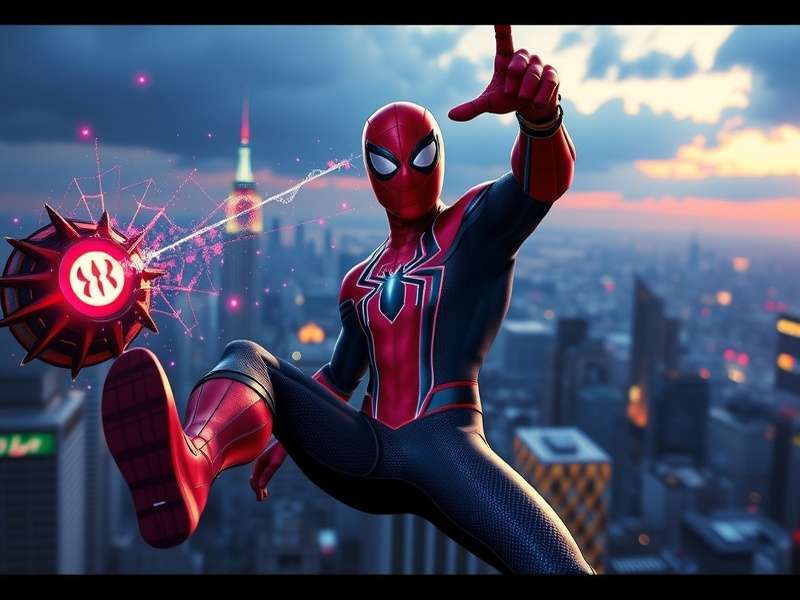
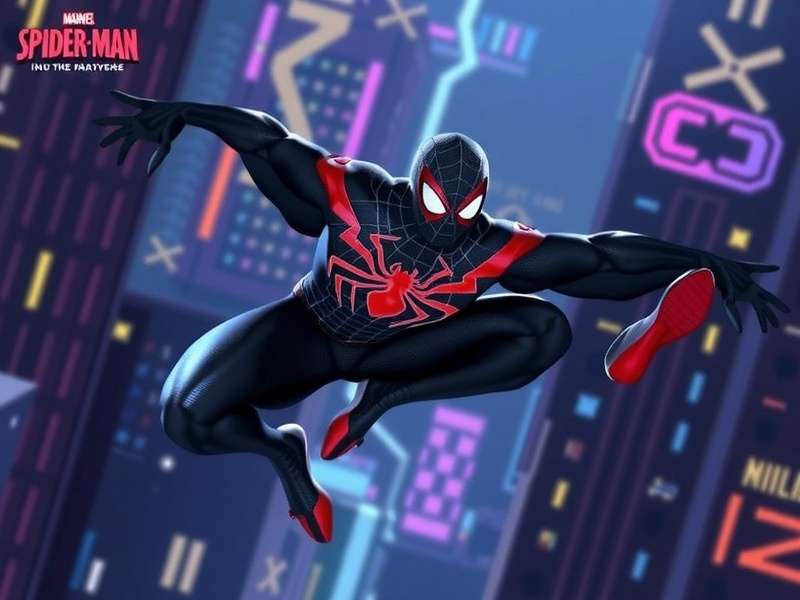
The iconic poster that introduced the world to the Spider-Verse. (Source: Sony Pictures Animation)
🎬 When Spider-Man: Into the Spider-Verse swung into theatres in 2018, it didn't just tell another Spider-Man story—it shattered the very fabric of what an animated superhero film could be. Hailing from the creative minds at Sony Pictures Animation, this film became an instant classic, winning the Academy Award for Best Animated Feature and capturing the hearts of fans globally, including a massive following right here in India. But what makes this movie so special? Let's dive deep, web-heads!
TL;DR – Quick Bites for the Time-Crushed Fan
Release: December 14, 2018 (US) / December 13, 2018 (India previews).
Box Office: $375.5 million worldwide against a $90 million budget – a massive success.
Accolades: Won the Oscar, Golden Globe, BAFTA, and numerous critics' awards.
Legacy: Revitalized Spider-Man animation, launched a franchise, and inspired a generation.
Chapter 1: The Genesis – How the Spider-Verse Was Born
The journey to creating "Into the Spider-Verse" is as fascinating as the film itself. Initially conceived as a direct-to-video project, the vision expanded dramatically under the guidance of producers Phil Lord and Christopher Miller (of The Lego Movie fame). They pitched a radical idea: a comic book come to life. Not just in story, but in visual style. The goal was to make every frame look like a panel ripped from a comic, complete with halftone dots, Ben-Day dots, thought bubbles, and dynamic "Kirby Krackle" energy effects.
For Indian audiences accustomed to vibrant visual storytelling in our own cinema, this style felt refreshingly innovative. The animation team, over 140 artists strong, developed a new pipeline blending CGI with hand-drawn techniques. They even used "on twos" (holding frames for two frames) to mimic the slightly jerky motion of traditional animation, a decision that initially worried executives but ultimately defined the film's unique look.
Chapter 2: Miles Morales – A Hero for a New Generation
At the heart of the film is Miles Morales, a Brooklyn teen of Afro-Latino descent grappling with the pressures of a new elite school, parental expectations, and his own identity. Voiced perfectly by Shameik Moore, Miles is relatable, funny, and flawed. His journey isn't about replacing Peter Parker; it's about discovering what Spider-Man means to him.
This resonated powerfully with Indian youth, many of whom face similar pressures of academic excellence and finding their own path distinct from their parents' dreams. Miles' struggle to live up to the symbol—famously encapsulated in his father's (Jefferson Davis) "leap of faith" speech—is universally moving. The film's emphasis on "Anyone can wear the mask" became a cultural mantra, reinforcing the inclusive ethos of Spider-Man.
2.1 The Mentor: Peter B. Parker
Jake Johnson voices a down-on-his-luck, paunchy, divorced Peter Parker from another dimension. This isn't the pristine hero we're used to; he's burnt out, cynical, and initially reluctant to mentor Miles. His character arc—rediscovering his purpose through teaching—adds profound depth. His dynamic with Miles provides the film's emotional core and much of its humor, especially his bewildered reactions to the other Spider-People.
Chapter 3: The Spider-Verse Assembled – Meet the Web-Warriors
The genius of the film lies in its ensemble. Each alternate Spider-Person brings a unique aesthetic and personality, representing different corners of the Spider-Man multiverse.
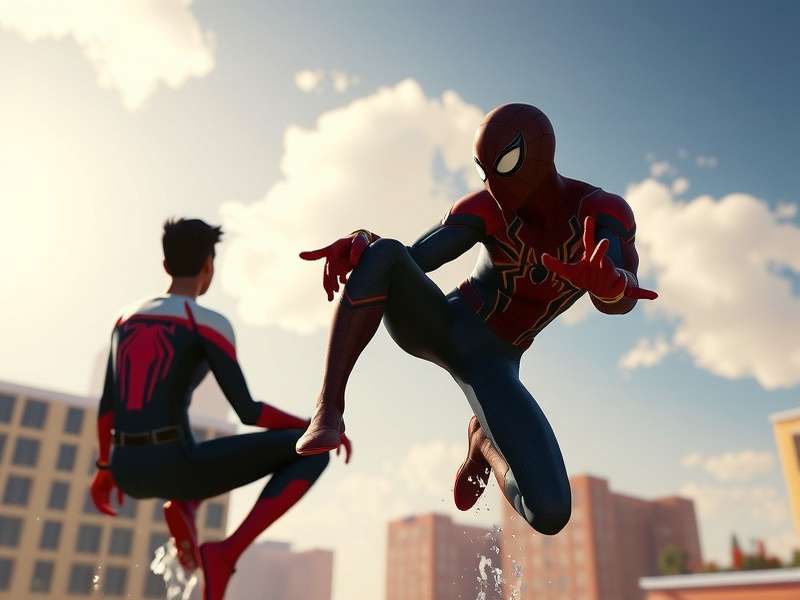
Spider-Gwen (Gwen Stacy)
Hailee Steinfeld voices the drummer from Earth-65. Her sleek, white-and-black design and balletic fighting style made her an instant fan favourite. Her backstory, where she couldn't save her universe's Peter Parker, adds a layer of tragic grace. Curious about her look? Dive into the details of the spider man miles morales costume and other suits.
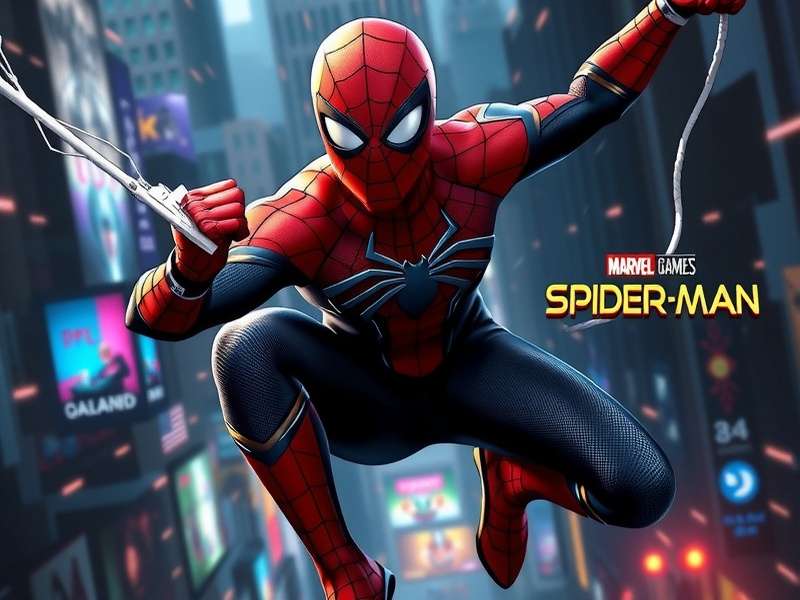
Spider-Man Noir
Nicolas Cage brings his unique energy to this black-and-white, depression-era hero from a universe without colour. He provides deadpan comedy ("I love bread crusts") and a gritty, pulpy contrast to the vibrant world.
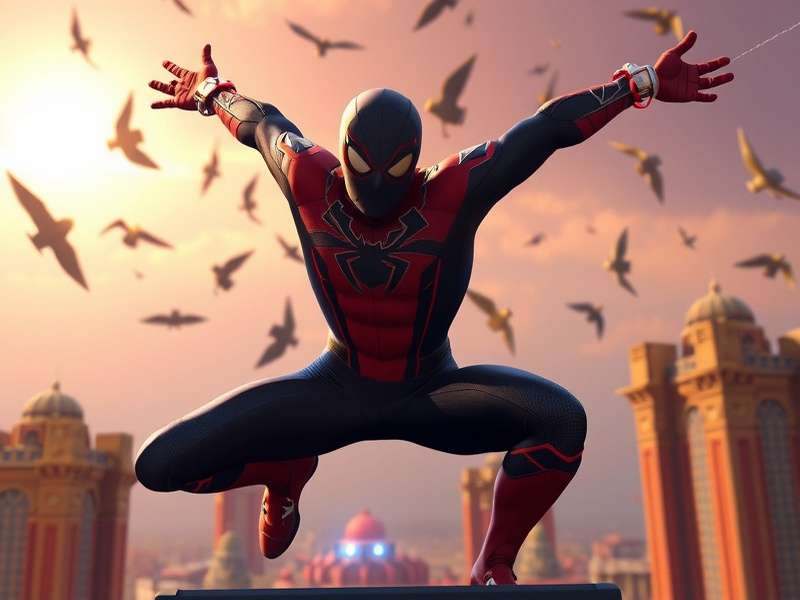
Spider-Ham (Peter Porker)
John Mulaney's hilarious cartoon pig from a world of "animosity." He exists purely in 2D animation, defying the rules of the 3D world, and delivers some of the film's biggest laughs while being surprisingly capable in a fight.
 Kimiko Glenn voices this anime-inspired heroine who co-pilots a psychic mech suit with a radioactive spider. Her design pays homage to Japanese mecha and shōjo anime, broadening the film's visual vocabulary.
Chapter 4: The Villain & The Stakes – Kingpin's Collider
Lieutenant Jefferson Davis calls Wilson Fisk, the Kingpin, a "thug." But this version, voiced by Liev Schreiber, is a monument of grief. His motivation—to access other dimensions to reunite with his dead wife and son—makes him tragically understandable. His massive, shadow-drenched physique is a constant visual threat. His super-collider, a terrifying piece of technology, is tearing reality apart, creating the "goober" (universe-decay) that the heroes must stop.
The other villains—the gender-swapped Doc Ock (Olivia Octavius, played by Kathryn Hahn), the cynical Prowler (Miles' uncle Aaron, voiced by Mahershala Ali), and Scorpion—are all reimagined effectively, serving Fisk's plan while posing unique threats.
Chapter 5: The Animation Revolution – A Comic Book in Motion
This deserves its own deep dive. The film's animation is its most groundbreaking achievement. The team created a new visual language:
- Comic Dot Patterns: Halftone and Ben-Day dots are used for shading and texture, especially on characters' skin and suits.
- Line Work & Silhouettes: Bold, expressive line art outlines characters, often breaking and shifting to emphasize motion or impact.
- Panel Framing & Split-Screens: Scenes are dynamically composed like comic panels, with action sequences unfolding across multiple frames on screen simultaneously.
- Text Effects: Onomatopoeic words like "THWIP," "POW," and "SCRATCH" appear in the environment as part of the action.
This wasn't just style for style's sake; it was storytelling. The different Spider-People even have slightly different animation styles: Spider-Ham is fully 2D, Peni has anime-inspired effects, and Noir is desaturated. This visual cacophony perfectly represents the chaotic clash of dimensions.
"We wanted to make a movie that looked like you walked inside a comic book. Not a movie based on a comic, but a comic book itself."
— Phil Lord, Co-Writer/Producer
Chapter 6: The Soundtrack – A Beat for Every Universe
The music is a character in itself. Featuring the viral hit "Sunflower" by Post Malone and Swae Lee, the soundtrack curated by Metro Boomin blends hip-hop, electronic, and pop to create a youthful, energetic vibe that matches Miles' world. The score by Daniel Pemberton is equally inventive, using everything from orchestral sweeps to record scratches and comic book sound effects as instruments. For a dedicated breakdown, check out our feature on spider man into the spider verse songs.
Chapter 7: Cultural Impact & The Indian Fandom Perspective 🇮🇳
In India, the film found a massive audience. Released in English, Hindi, Tamil, and Telugu dubs, it played to packed houses. Indian fans connected with the themes of family duty vs. personal calling, the vibrant visuals reminiscent of our own graphic novel traditions (like the works of Amar Chitra Katha, but with a modern twist), and the sheer joy of seeing multiple iterations of a beloved character.
Online forums and fan pages exploded with theories, fan art, and cosplay, particularly of Spider-Gwen and Miles. The film's message of "anyone can wear the mask" sparked discussions about representation and the potential for Indian Spider-People (imagine a Spider-Man from Mumbai swinging between chawls and skyscrapers!). The film's success paved the way for more experimental animation to be taken seriously by Indian audiences.
Chapter 8: Legacy & The Future – Sequels and Beyond
The film's success guaranteed a sequel, Spider-Man: Across the Spider-Verse (2023), which expanded the multiverse even further. It also spawned spin-offs, video games, and a tidal wave of merchandise. More importantly, it proved that superhero stories could be deeply personal, artistically daring, and wildly successful all at once. It set a new bar for animation, inspiring a generation of artists worldwide. For context on how this film fits into broader Spider-Man lore, explore the storyline of spider man brand new day plot or check the spider man brand new day release date.
🕸️ The final swing is always the best. Spider-Man: Into the Spider-Verse isn't just a movie; it's a landmark event in pop culture that continues to inspire, entertain, and remind us that with great power, there must also come great responsibility—and a whole lot of style. 🕸️
Want to Know More? Search Our Spider-Verse Database
Try searching: "Spider-Verse cameos," "Stan Lee tribute," or "post-credits scenes."
Share Your Thoughts: Fan Review & Comments
What did YOU think of Into the Spider-Verse? Rate it and join the discussion below!
Post a Comment