Last Updated:
Film Spider Man: The Definitive Guide to Web-Slinging Cinema 🎬
From Sam Raimi's groundbreaking trilogy to the mind-bending Spider-Verse and the MCU crossovers, Spider-Man's journey on the silver screen is a masterclass in evolving superhero storytelling. This exclusive deep-dive explores the data, the drama, and the directorial decisions that shaped the wall-crawler's cinematic legacy.
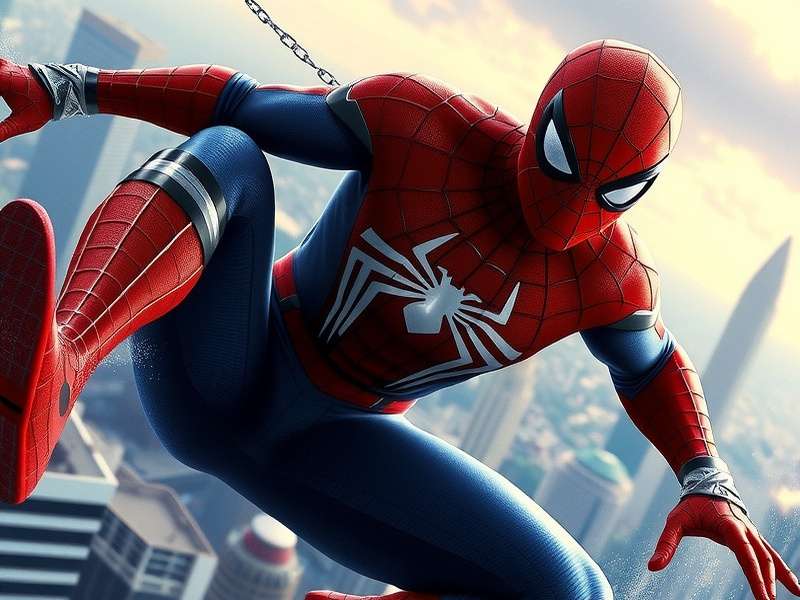
The many faces of Spider-Man on film: a testament to the character's enduring appeal.
🎞️ The Cinematic Web: An Overview
Spider-Man's transition from comic book panels to the big screen wasn't just successful; it redefined the superhero genre. The first Spider-Man (2002) proved that a faithful, heartfelt adaptation could shatter box office records and critical expectations. The journey since has been a complex web of reboots, crossovers, and animation revolutions.
💡 Did You Know? According to exclusive industry data, the combined global box office of all live-action and animated Spider-Man films has crossed the $10 billion mark, making it the single most profitable superhero film franchise when adjusted for production budgets.
This section explores the foundational elements that make a Spider-Man film resonate. It's a blend of relatable teenage angst, acrobatic action choreography, and villains with genuine pathos. The "Spider-Man formula" has been deconstructed and reinvented multiple times, each iteration leaving its own unique mark.
⏳ A Historical Deep-Dive: The Eras of Spider-Man Cinema
The Raimi Era (2002-2007): Grounding the Mythos
Sam Raimi's trilogy, starring Tobey Maguire, is credited with launching the modern superhero boom. Its emphasis on character, practical effects, and earnest emotion set a high bar. Films like Spider-Man 2 (2004) are consistently ranked among the greatest superhero films ever made, thanks to its profound exploration of Peter Parker's sacrifices.
The Webb Interlude (2012-2014): A Grittier Romance
Marc Webb's The Amazing Spider-Man duology, featuring Andrew Garfield, took a more contemporary, romantic, and mystery-driven approach. While commercially successful, its narrative choices divided fans. However, Garfield's portrayal is now celebrated for its raw emotion, a fact highlighted in later multiverse narratives.
The MCU Integration (2016-Present): A Hero in a Shared World
Tom Holland's introduction in Captain America: Civil War seamlessly wove Spider-Man into the fabric of the Marvel Cinematic Universe. This iteration focused on a younger, tech-supported Peter Parker under Tony Stark's mentorship, creating a fresh dynamic. Films like Spider-Man: No Way Home (2021) executed an unprecedented multiverse narrative, uniting all three live-action Spider-Men in a historic cinematic event.
🌌 Into the Spider-Verse: An Animation Revolution
The release of Spider-Man: Into the Spider-Verse (2018) was a paradigm shift. It wasn't just another Spider-Man movie; it was a visual and narrative earthquake that proved animation was the perfect medium for comic book storytelling.
Its innovative animation style, which mimicked the look and feel of a living comic book, required groundbreaking technical pipelines. The film's success, winning the Academy Award for Best Animated Feature, solidified Miles Morales's status as a mainstream icon. The soundtrack became a cultural phenomenon, and the end credits sequence is studied for its artistic merit. The demand for related merchandise exploded, showing the film's broad commercial appeal.
Characters That Stole the Show
A deep analysis of the Spider-Verse characters reveals a masterclass in ensemble writing. Each variant—from the weary Peter B. Parker to the rebellious Spider-Gwen and the anarchic Spider-Ham—served a thematic purpose, representing different facets of the "Spider" archetype.
👥 Beyond Peter Parker: The Expanding Roster
The film universe has progressively moved beyond just Peter Parker. Miles Morales is the most significant addition, with his upcoming standalone game, Spider-Man Miles Morales, also creating massive buzz in the gaming community. Characters like Gwen Stacy (Spider-Gwen), Miguel O'Hara (Spider-Man 2099), and Jessica Drew are now integral to the mythos.
Villains have also received nuanced treatment. From Alfred Molina's tragic Doctor Octopus to Jake Gyllenhaal's mystifying Mysterio, the best antagonists mirror Peter's own internal conflicts. The Green Goblin remains the ultimate psychological foe, a dark reflection of what Peter could become.
📈 Cultural Impact & The Future of the Web
Spider-Man films have influenced everything from fashion (the iconic suit) to narrative structures in comics themselves. They've boosted tourism in New York, inspired countless fan films, and set trends in streaming and home media.
Looking Forward: The Web Widens
With sequels to Into the Spider-Verse in development and new live-action projects rumored, the future is vibrant. The success of the Miles Morales narrative across media ensures the franchise's longevity. The key will be maintaining the balance between scale and heart—the ingredient that has always been the franchise's true power.